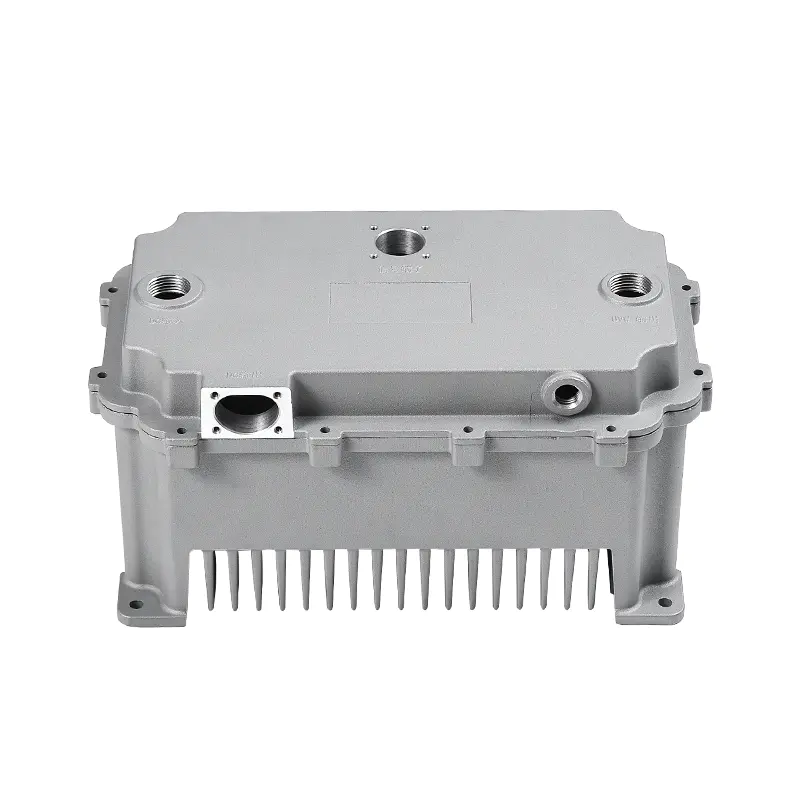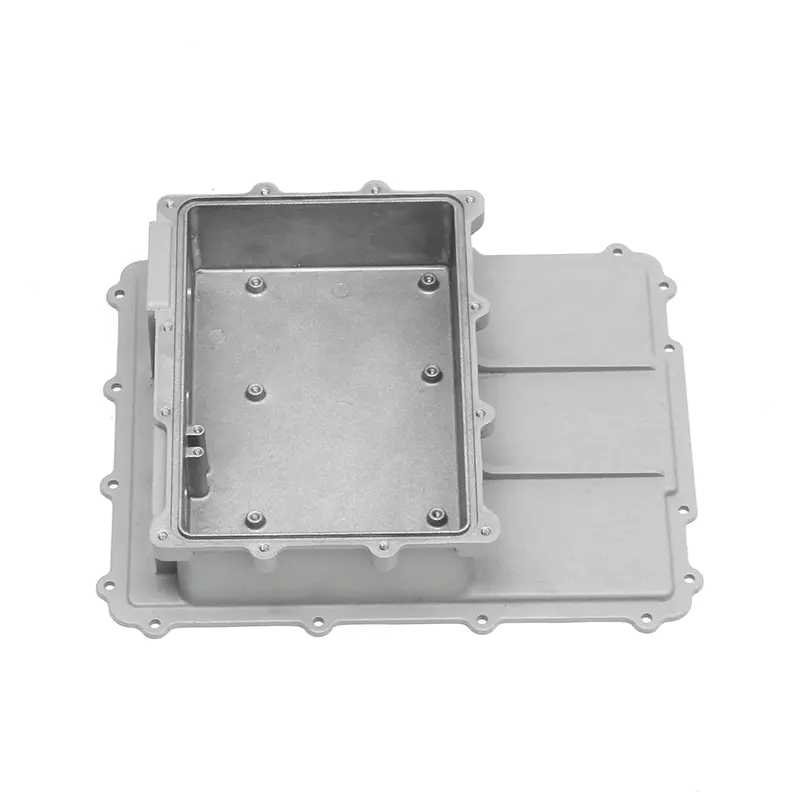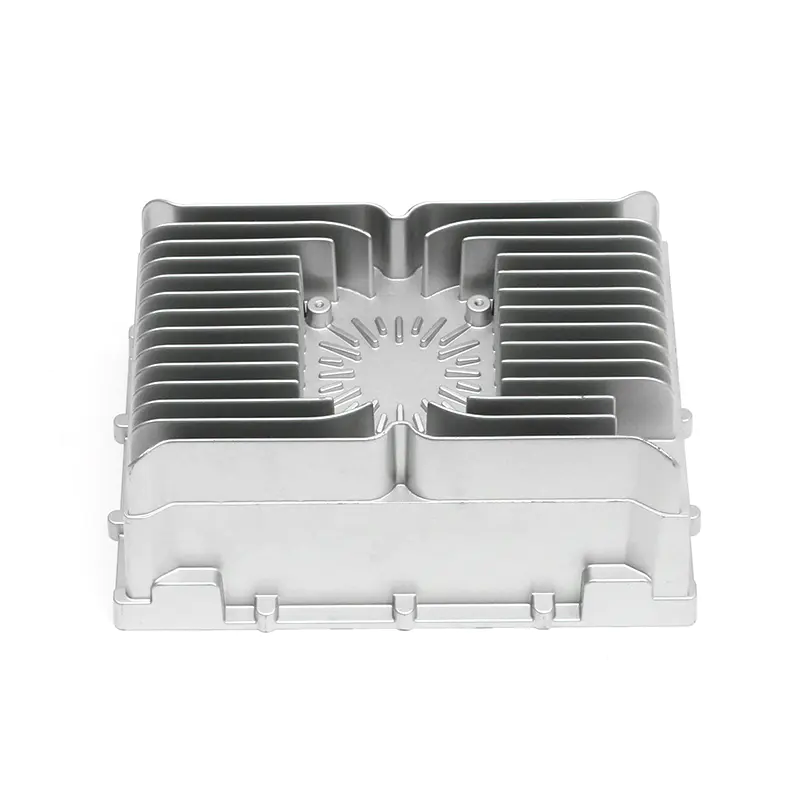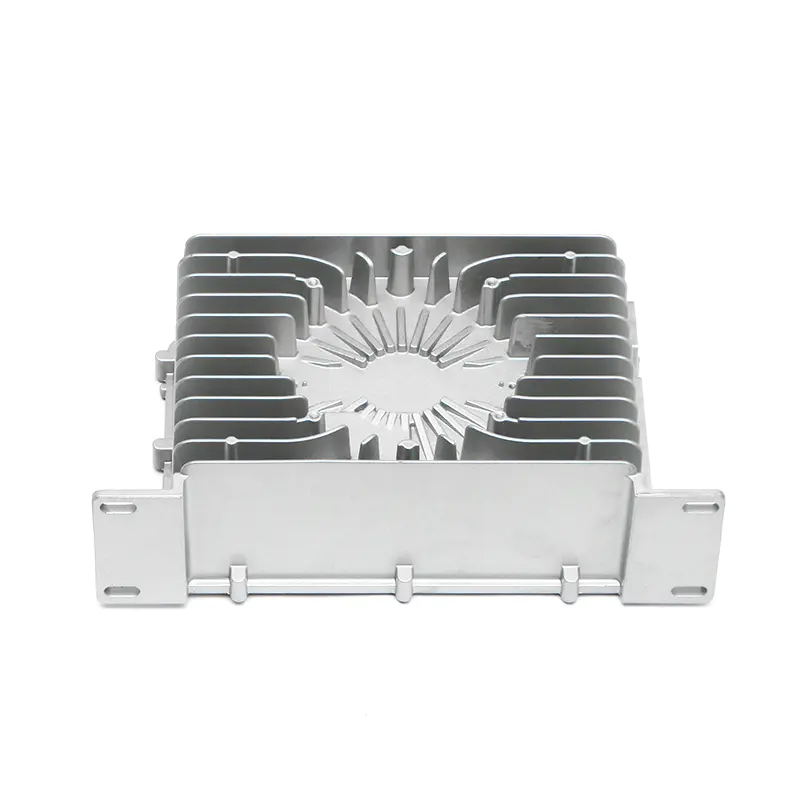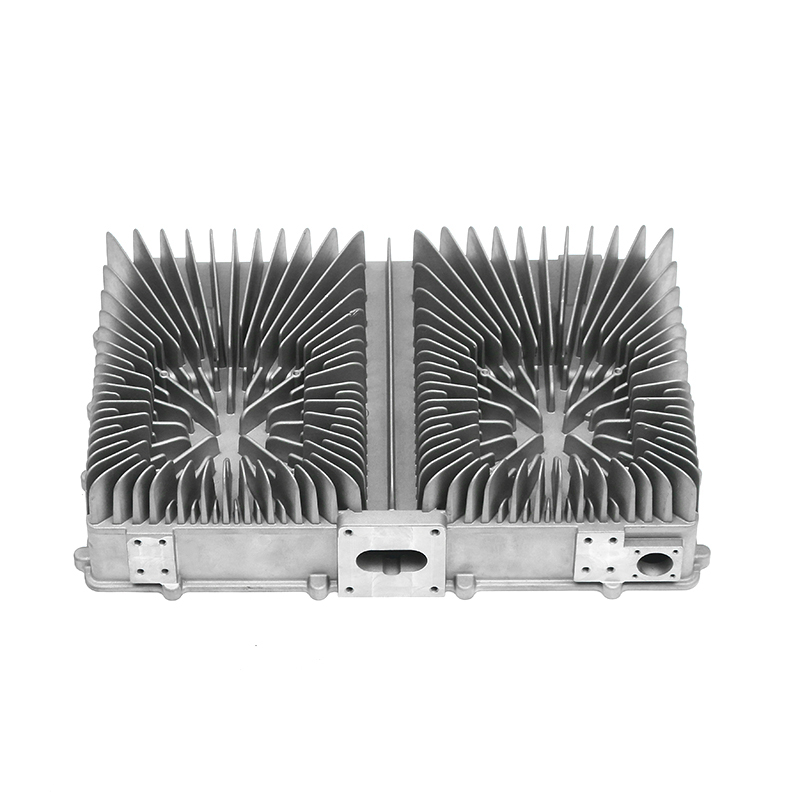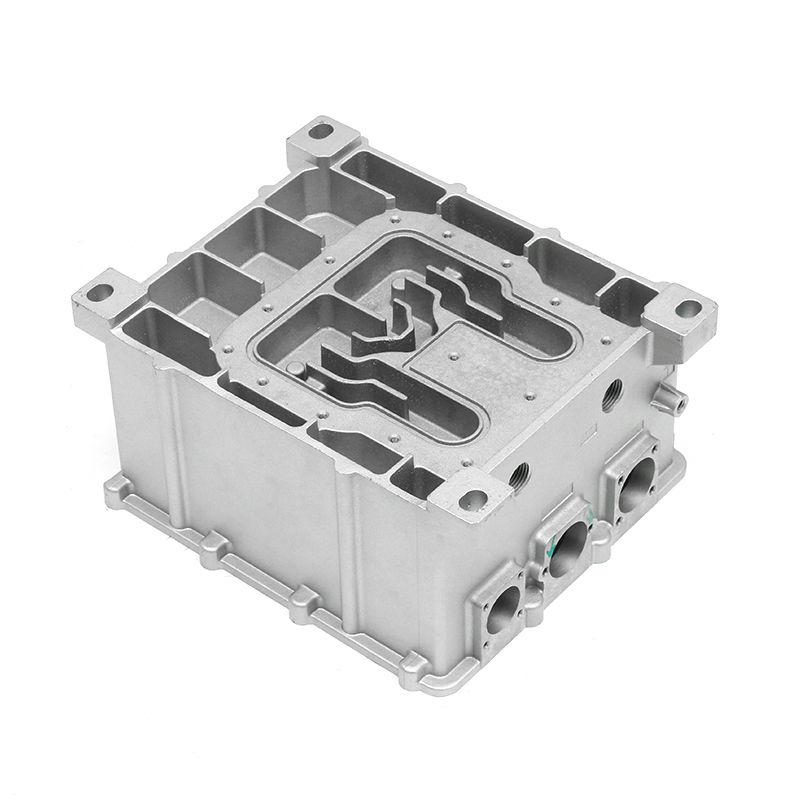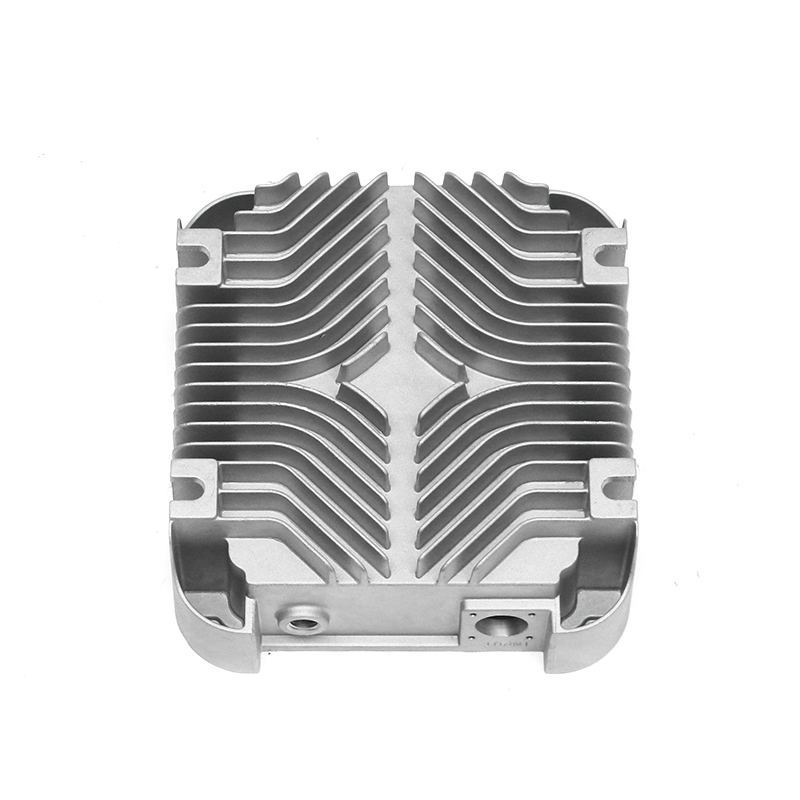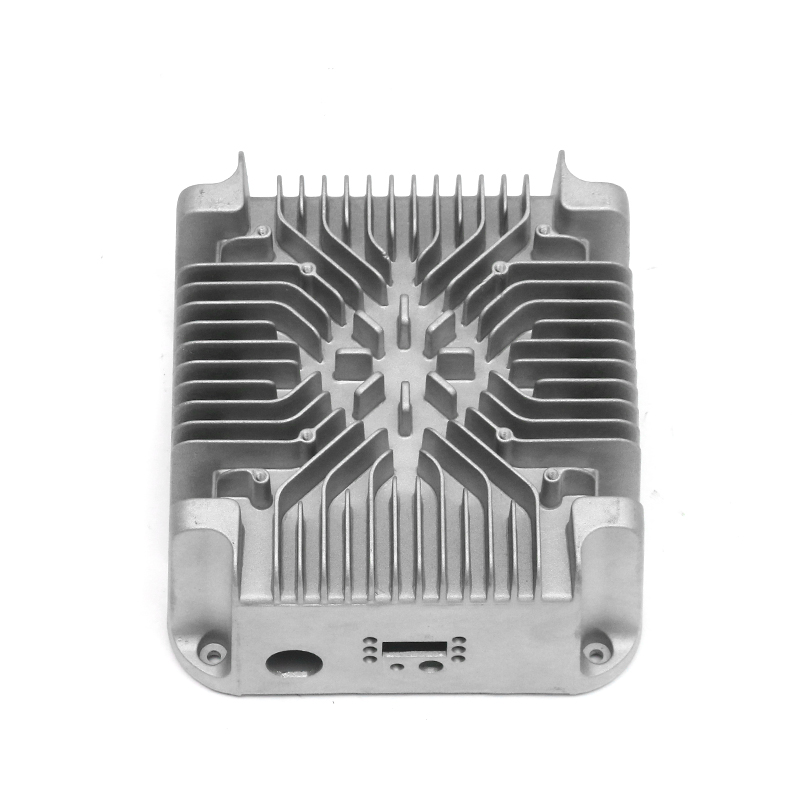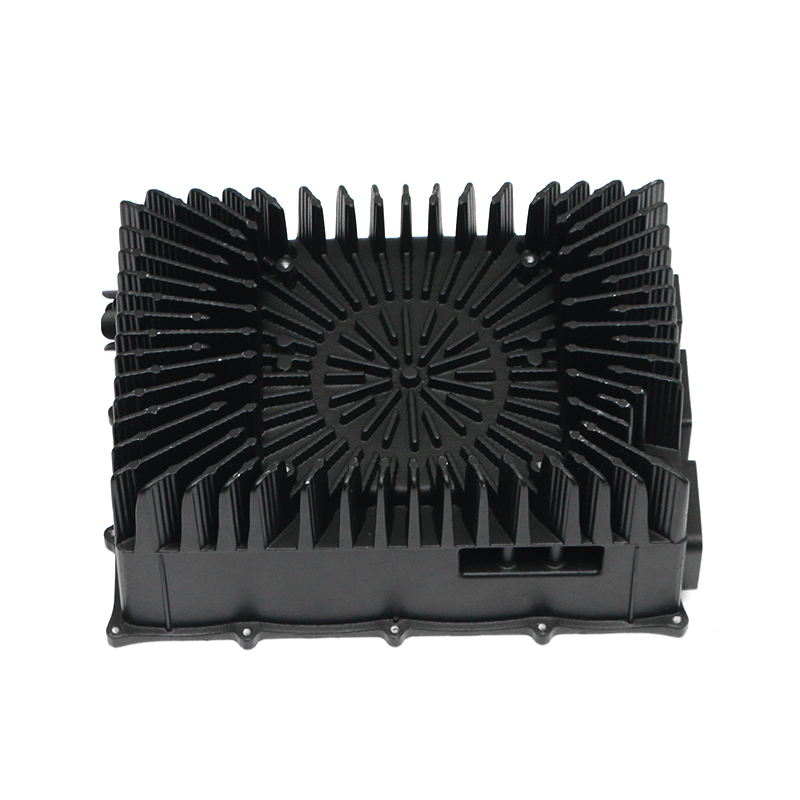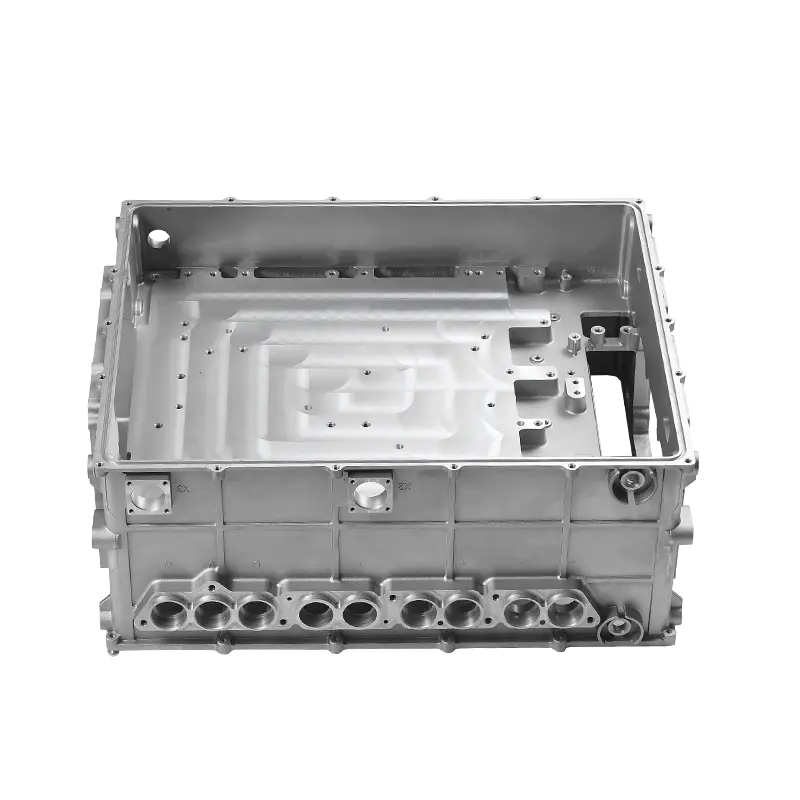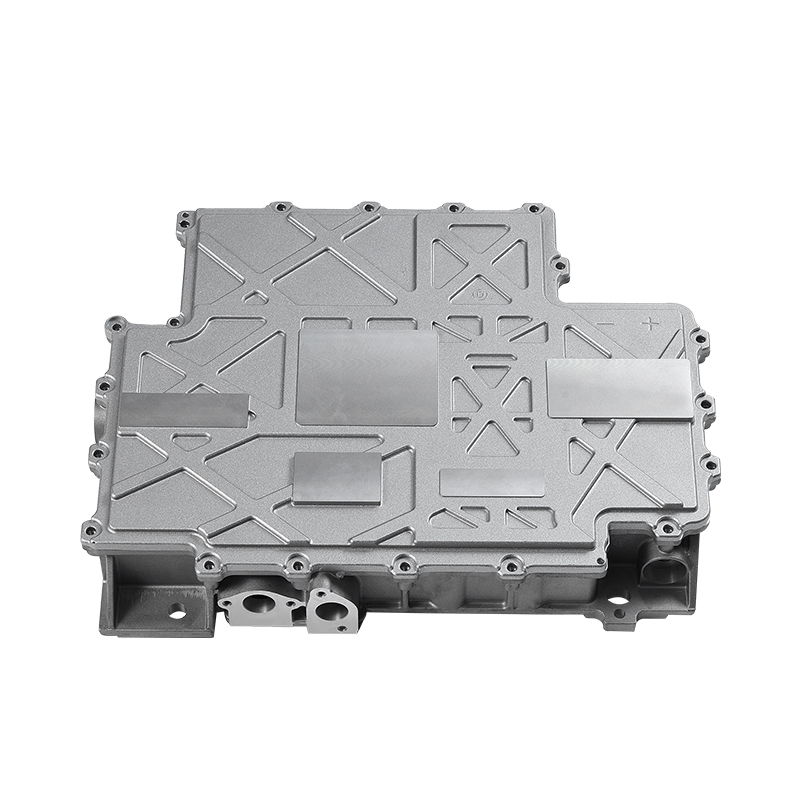


알루미늄 대 마그네슘 기어박스 하우징 다이 캐스팅 : 어느 것이 더 나은 성능을 발휘합니까?
알루미늄 기어박스 하우징은 뛰어난 중량 대비 강도 비율과 비용 효율성을 제공하는 반면, 마그네슘은 경량 응용 분야에 탁월하지만 생산 복잡성이 더 높습니다. 이러한 차이점을 이해하는 것은 자동차 및 산업 기계에서 최적의 성능을 추구하는 제조업체에게 중요합니다.
재료 강도 및 내구성
알루미늄
알루미늄 die-cast gearbox housings are widely favored for their strong mechanical properties. Aluminum alloys, such as ADC12, provide high tensile strength of 220~280MPa 그리고 내식성이 우수합니다. 이를 통해 기어박스는 고부하 작동 중에 변형 없이 기계적 응력을 견딜 수 있습니다.
마그네슘
마그네슘 alloys, like AZ91D, are lighter but generally offer lower tensile strength, around 180~250MPa . 많은 응용 분야에 충분하지만 마그네슘 하우징은 충격에 더 민감하며 내구성을 향상시키기 위해 추가 표면 처리가 필요할 수 있습니다.
무게와 효율성
알루미늄
알루미늄 gearbox housings are moderately lightweight, reducing the overall weight of vehicles or machinery. An aluminum housing typically weighs 20~30% 감소 동등한 강철 하우징보다 무게와 강도의 균형을 맞출 때 실용적인 선택이 됩니다.
마그네슘
마그네슘 is the lightest structural metal available for die casting. Gearbox housings made from magnesium can be up to 35~50% 더 가벼워짐 알루미늄보다 자동차 응용 분야에서 상당한 연료 효율성을 제공하고 산업 장비에서 취급이 더 쉽습니다.
비용 고려 사항
알루미늄
알루미늄 die casting is generally more cost-effective due to abundant raw materials and mature production techniques. The cost per kilogram of aluminum die-cast components is typically 20~30% 더 낮음 마그네슘보다 대규모 제조에 매력적인 선택입니다.
마그네슘
마그네슘 alloy die casting requires specialized equipment and stricter handling due to its flammability during melting. The production cost is higher, often 30~50% 이상 알루미늄보다 무게가 적기 때문에 성능 중심 응용 분야에 대한 투자를 정당화할 수 있습니다.
열전도율 및 열 관리
알루미늄
알루미늄 has excellent thermal conductivity of 150~200W/m·K , 기어박스 하우징이 효과적으로 열을 발산할 수 있도록 해줍니다. 이는 고성능 또는 연속 작업 작동 시 과열을 방지하여 기어박스의 사용 수명을 연장합니다.
마그네슘
마그네슘 has lower thermal conductivity, approximately 70~80W/m·K , 이는 열 방출을 제한할 수 있습니다. 고온 응용 분야에는 추가 냉각 채널이나 설계 수정이 필요한 경우가 많습니다.
제조 복잡성 및 허용 오차
알루미늄
알루미늄 die casting is easier to manage, allowing tight dimensional tolerances of ±0.1 mm for complex gearbox designs. It also supports thinner walls ( 2~3mm ) 결함이 없으므로 작고 복잡한 하우징 형상에 적합합니다.
마그네슘
마그네슘 die casting requires precise control to prevent porosity and shrinkage defects. Tolerances are slightly looser, typically ±0.15 mm, and wall thickness below 3mm 주조 실패로 이어질 수 있으며, 이로 인해 불량률이 높아질 수 있습니다.
부식 저항
알루미늄
알루미늄 naturally forms an oxide layer, providing 우수한 내식성 . 이는 습한 환경이나 산업 환경에서도 추가 코팅의 필요성을 줄여 유지 관리 요구 사항을 낮춥니다.
마그네슘
마그네슘 is highly reactive and prone to corrosion, especially in salt-rich environments. Protective coatings, such as anodizing or epoxy, are necessary to maintain longevity, which adds cost and complexity to production.
성능 비교표
| 재산 | 알루미늄 | 마그네슘 |
|---|---|---|
| 인장강도 | 220~280MPa | 180~250MPa |
| 밀도 | 2.7g/cm3 | 1.8g/cm3 |
| 열전도율 | 150~200W/m·K | 70~80W/m·K |
| 부식 저항 | 우수 | 코팅이 필요함 |
| 생산 비용 | 보통 | 높음 |
결론
알루미늄 gearbox housings are ideal for applications demanding durability, cost-efficiency, and corrosion resistance, while magnesium excels in ultra-lightweight designs where weight reduction is critical. 적절한 재료를 선택하려면 성능, 비용, 제조 복잡성의 균형이 필요합니다.